A brain, spine, or nerve problem is one of the most unsettling things a family can face. The stakes feel high, the terminology is unfamiliar, and the decision about who should treat you often has to be made quickly. Siliguri has grown into North Bengal’s healthcare hub, serving patients not just from the city but from the Dooars, Darjeeling hills, Sikkim, and the Nepal and Bhutan borders — which means you no longer automatically have to rush to Kolkata or Delhi for advanced neurosurgical care. This guide explains how to recognise when you need a neurosurgeon, what actually separates a genuinely skilled specialist from an ordinary one, and how to prepare for your consultation.
When should you see a neurosurgeon in Siliguri?
You should consult a neurosurgeon when a brain, spine, or nerve condition may need surgical evaluation — not only when surgery is certain. Many people delay because they assume “neurosurgery” always means an operation, but a large part of the job is deciding when surgery is not required.
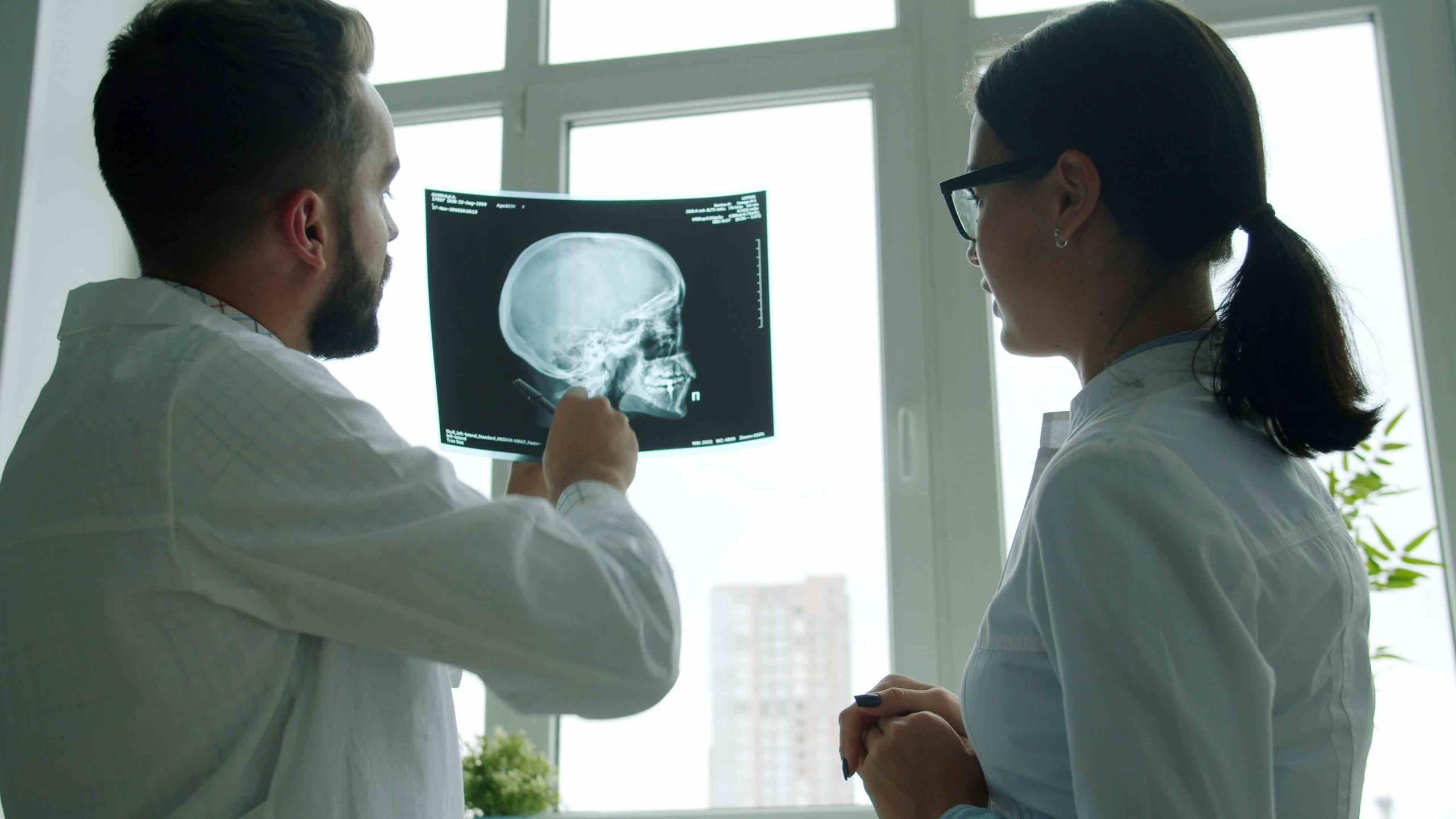
Warning signs worth a specialist opinion include persistent or worsening headaches with vomiting, blurred vision, or seizures; back or neck pain that travels into an arm or leg with numbness, tingling, or weakness; loss of bladder or bowel control; difficulty walking or a sudden loss of balance; and any head or spine injury after a fall or road accident. A confirmed brain or spinal tumour, an aneurysm, or a slipped disc that hasn’t responded to physiotherapy and medication all warrant a neurosurgical review.
*Looking for expert neurosurgical care in Siliguri? Learn more about Dr. Rahul Prasad’s consultation and treatment approach.
What makes a neurosurgeon “the top” choice?
There is no official ranking that crowns a single “top” neurosurgeon, so the honest way to read that phrase is: the right, best-qualified surgeon for your specific condition. A few factors matter far more than marketing.
Qualifications and training
The core qualification to look for is an MCh in Neurosurgery, the super-specialty degree that follows MBBS and MS. Beyond that, additional fellowship training — especially from established Indian and international centres — signals exposure to modern techniques and a higher volume of complex cases.
Subspecialty experience
Neurosurgery is broad. Someone who focuses heavily on spine surgery, for example, brings sharper judgment to disc and spinal problems than a generalist. Ask what the surgeon treats most often and whether your particular condition sits within that experience.
Technology and hospital support
Good outcomes depend on the whole system, not just the surgeon. Look for access to quality imaging (MRI/CT), a well-equipped operating theatre, minimally invasive capability, and strong post-operative and critical-care support.
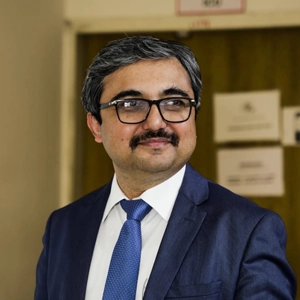
Meet Dr. Rahul Prasad — Neurosurgeon and Spine Surgeon in Siliguri
For patients weighing these criteria, Dr. Rahul Prasad is one of Siliguri’s well-credentialled options for brain and spine care. He completed his MS in General Surgery from Banaras Hindu University and his MCh in Neurosurgery from GB Pant Hospital, Maulana Azad Medical College, New Delhi — two highly regarded training institutions.
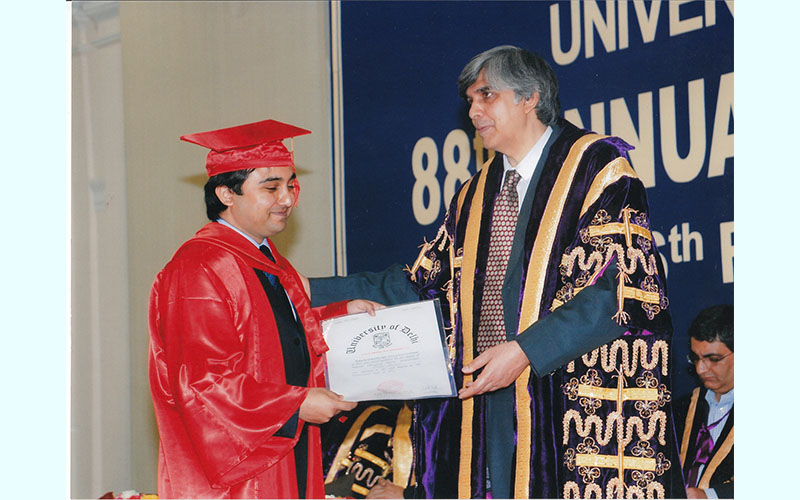
His post-MCh training is where his profile stands out for the region. He undertook a clinical fellowship at Temple University Hospital, Philadelphia (USA), focused on minimally invasive and complex spine surgery as well as Gamma Knife stereotactic radiosurgery, and later added endoscopic spine surgery training from South Korea. Before returning to practise closer to home, he worked at leading centres including Max Super Speciality Hospital (Saket, New Delhi) and Wockhardt Hospital, Goa.
He is a member of several national and international neurosurgical bodies, including the Congress of Neurological Surgeons, the American Association of Neurological Surgeons, the North American Spine Society, and the Neurological Society of India — memberships that reflect ongoing engagement with global standards of practice. He currently practises at Yuvaan Hospital, Medical More, Matigara, Siliguri.
*Have persistent neurological or spine symptoms? Schedule a consultation to discuss your condition and treatment options.
Conditions and treatments covered
Spine care
This is a major focus of his practice — from minimally invasive spine surgery (which uses smaller incisions and typically allows faster recovery than open surgery) to complex spine surgery for degenerative disease, spinal tumours, infections, fractures, and instability, and endoscopic spine procedures for conditions like slipped discs.
Brain care
Brain surgery here covers tumours, head trauma, and neurovascular conditions. For certain vascular problems, endovascular neurosurgery repairs aneurysms and blockages from inside the blood vessels using thin catheters, avoiding a large open incision — you can learn more on the endovascular neurosurgery page.
Nerve and other conditions
The practice also addresses peripheral nerve problems, pediatric neurosurgical cases, and functional conditions — the kind of breadth patients otherwise associate mainly with metro-city hospitals.
Questions to ask before your neurosurgery consultation
Coming prepared makes a consultation far more useful. Consider asking:
- Do I actually need surgery, or are there non-surgical options first?
- What is the exact diagnosis, and what happens if I wait?
- Is a minimally invasive approach possible for my condition?
- What are the realistic risks, benefits, and recovery timeline?
- How many similar cases have you handled?
A confident, qualified surgeon will welcome these questions and answer them in plain language.
Should you get a second opinion?
Yes — and a good neurosurgeon will never take offence at it. Neurosurgery decisions are significant, and a second opinion either confirms your plan or surfaces an alternative. It’s especially worth doing before any major elective brain or spine operation.
*Back pain, numbness or leg weakness? Learn when slip disc treatment may require specialist evaluation.
Frequently Asked Questions:
Who is the best neurosurgeon in Siliguri?
There’s no single official “best,” because the right choice depends on your condition. The practical approach is to look for an MCh-qualified neurosurgeon with relevant fellowship training and experience in your specific problem. On those measures, Dr. Rahul Prasad — with an MCh from GB Pant/MAMC and international spine fellowship training — is a strong option to consider.
What’s the difference between a neurologist and a neurosurgeon?
A neurologist diagnoses and treats nervous-system conditions with medication and non-surgical care. A neurosurgeon performs surgery on the brain, spine, and nerves. Many patients see both.
Do I need to travel to Kolkata or Delhi for brain or spine surgery?
Not necessarily. Siliguri now offers advanced neurosurgical and minimally invasive spine care locally, which can mean less travel stress, lower overall cost, and easier follow-up for you and your family.
What is minimally invasive spine surgery?
It’s a technique using smaller incisions and specialised instruments to reduce muscle damage. For suitable patients, it often means less post-operative pain and a quicker return to normal activity than traditional open surgery.
How do I book an appointment with Dr. Rahul Prasad?
You can call +91 96095 44058 or visit drrahulprasad.com to arrange a consultation at Yuvaan Hospital, Siliguri.
Taking The Next Step:
A neurological or spine problem is not something to sit on — but it also isn’t a reason to panic or accept the first opinion you hear. Understand your condition, check the surgeon’s qualifications, ask direct questions, and choose someone whose training genuinely matches your needs. If you’re dealing with persistent back or neck pain, a diagnosed brain or spine condition, or unexplained neurological symptoms, book a consultation with Dr. Rahul Prasad to get a clear evaluation and a treatment plan built around your recovery.