
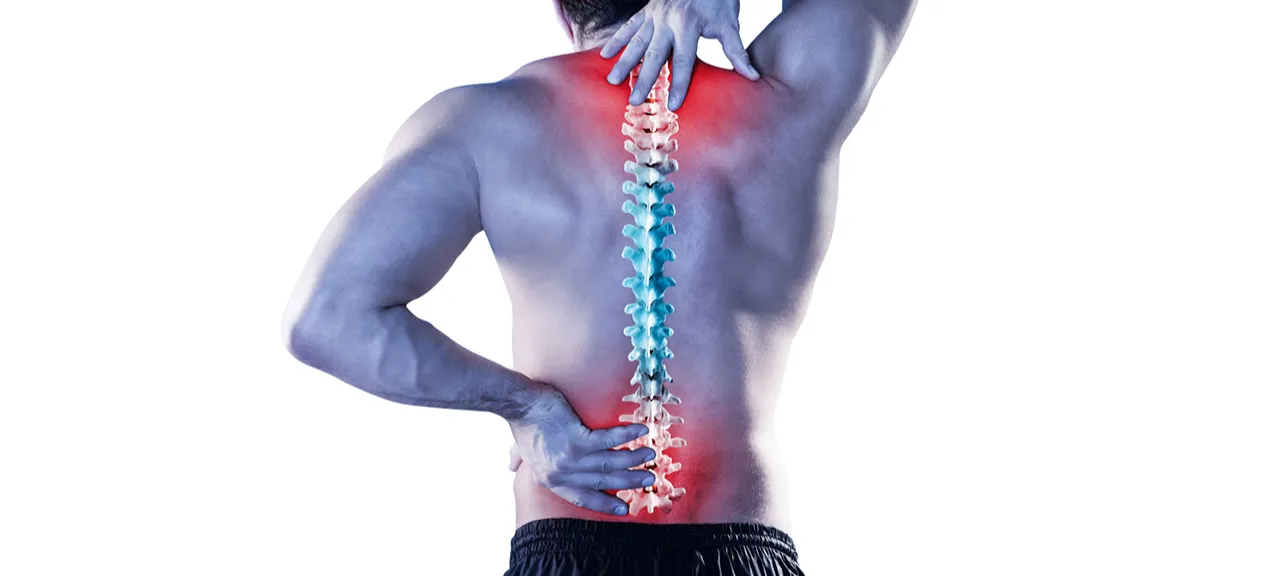
Slipped Disc (Herniated Disc)
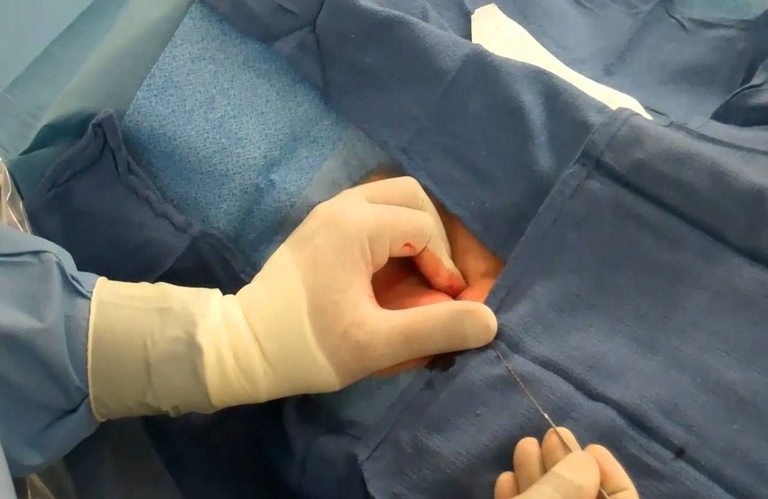
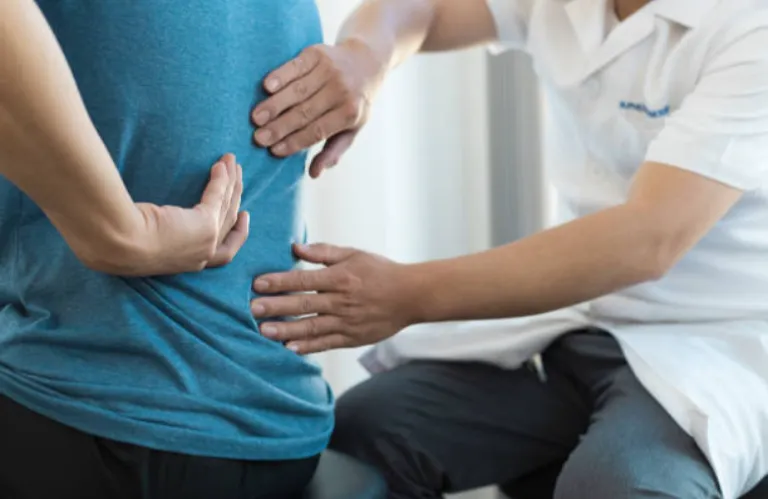
Slipped Disc (Herniated Disc) treatment focuses on relieving pain and nerve pressure caused when a spinal disc bulges or ruptures. Dr. Rahul Prasad uses accurate diagnosis and a full range of treatments — from conservative care to minimally invasive and endoscopic surgery — to release trapped nerves, ease pain, and restore movement and quality of life.
What is a Slipped Disc (Herniated Disc)?
The spinal discs are soft, cushion-like pads that sit between the vertebrae and absorb shock. A slipped or herniated disc occurs when the soft inner material of a disc pushes out through its tougher outer layer, often pressing on nearby spinal nerves. This can cause pain, numbness, tingling, and weakness in the back, neck, arms, or legs. A slipped disc most commonly affects the lower back and neck. Treatment aims to relieve nerve pressure, reduce symptoms, and restore normal function.
Common Symptoms
- Back or neck pain
- Pain radiating into the arm or leg
- Numbness or tingling in the limbs
- Weakness in the arm, leg, or foot
- Pain that worsens on bending or sitting
- Sharp or shooting nerve pain
- Muscle spasms
- Difficulty with certain movements
Conditions Treated
- Lumbar Disc Herniation
- Cervical Disc Herniation
- Sciatica
- Cervical Radiculopathy
- Contained Disc Bulge
- Prolapsed Disc
- Degenerative Disc Disease
- Recurrent Disc Herniation
Our Business Support Services
Our Business Support Services
Treatment Highlights
Our treatment combines advanced spinal imaging, accurate diagnosis of the affected disc, conservative and non-surgical care, minimally invasive and endoscopic techniques, precise nerve decompression, and comprehensive rehabilitation for the best possible outcomes.
Why Choose Dr. Rahul Prasad?
Dr. Rahul Prasad offers expert care for slipped disc problems with advanced surgical technology, evidence-based treatment, personalised care plans, and a strong focus on patient safety and faster recovery.
Benefits
Treating a slipped disc can relieve back, neck, and nerve pain, reduce numbness and weakness, restore movement and flexibility, prevent further nerve damage, support faster recovery, and improve overall quality of life.
Frequently Asked Questions
It is often caused by age-related wear-and-tear, heavy lifting, sudden strain, poor posture, or injury that causes the disc's inner material to push outward.
No. Most slipped discs improve with rest, medication, physiotherapy, and lifestyle changes. Surgery is considered only when there is severe pain, nerve compression, or weakness that does not respond to conservative care.
Yes. With minimally invasive and endoscopic techniques, advanced imaging, and experienced spine surgical care, slipped disc surgery is safe and highly precise.
Recovery varies with the treatment. Conservative care may bring relief over a few weeks, while minimally invasive surgery often allows a return to routine within two to four weeks.
MS, MCh (Neurosurgery), Spine Fellowship (USA & South Korea)
Dr. Rahul Prasad