
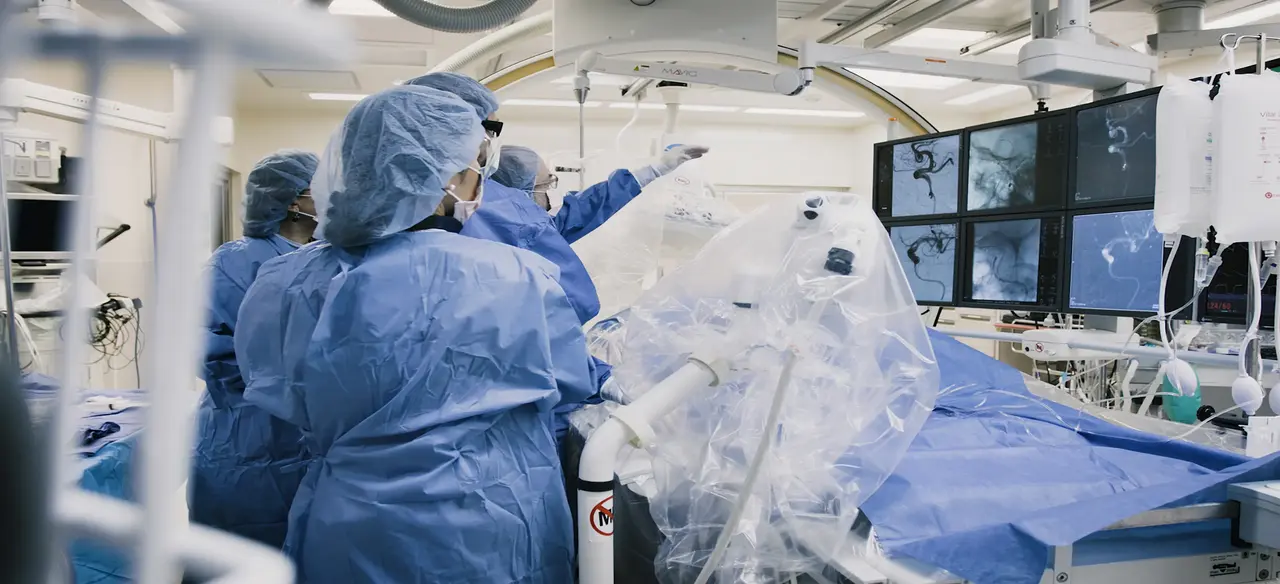
Nerve Compression Disorders
Nerve Compression Disorders occur when nerves are squeezed or pinched by surrounding bone, tissue, or ligaments, leading to pain, numbness, and weakness. Dr. Rahul Prasad uses advanced diagnosis and precise treatment — including microsurgical decompression — to release trapped nerves, relieve symptoms, and restore normal function.
What are Nerve Compression Disorders?
Nerve compression, also called a pinched or entrapped nerve, happens when pressure is placed on a nerve by nearby bone, cartilage, muscle, swollen tissue, or thickened ligaments. This pressure disrupts the nerve’s normal function, causing pain, tingling, numbness, and weakness along the path of the nerve. Compression can occur in the neck, back, arms, wrists, or legs. Treatment focuses on relieving the pressure, either through conservative care or, when needed, surgical decompression.
Common Symptoms
- Numbness or tingling in the limbs
- Sharp, burning, or radiating pain
- Weakness in the hand, arm, or leg
- Pins-and-needles sensation
- Symptoms that worsen at night
- Reduced grip strength
- Muscle wasting over time
- Pain triggered by certain movements

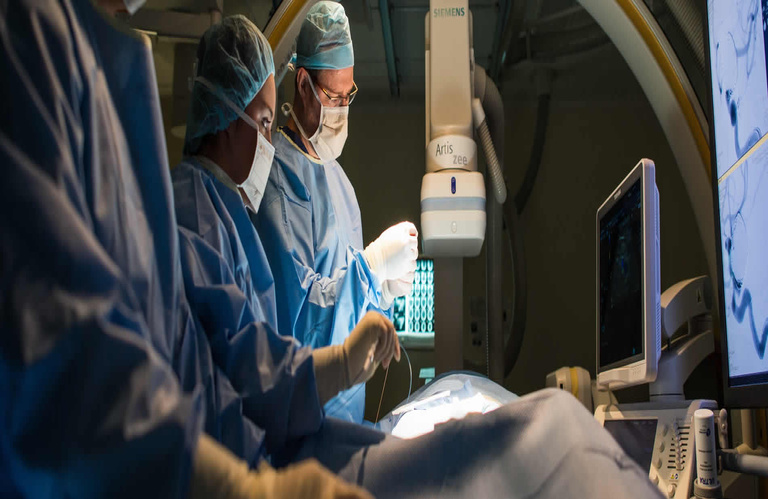
Conditions Treated
- Carpal Tunnel Syndrome
- Cubital Tunnel Syndrome
- Cervical Nerve Compression
- Lumbar Nerve Compression
- Sciatica
- Thoracic Outlet Syndrome
- Peroneal Nerve Compression
- Radiculopathy (Pinched Spinal Nerve)
Treatment Highlights
Our treatment combines advanced nerve imaging and testing, accurate diagnosis of the compression site, minimally invasive decompression, precise microsurgical techniques, personalised treatment planning, and comprehensive post-operative rehabilitation for the best possible outcomes.
Why Choose Dr. Rahul Prasad?
Dr. Rahul Prasad offers expert peripheral nerve care with advanced surgical technology, evidence-based treatment, personalised care plans, and a strong focus on patient safety and faster recovery.
Benefits
Treating nerve compression can relieve pain and tingling, restore sensation and strength, improve limb and hand function, prevent permanent nerve damage, support faster recovery, and improve overall quality of life.
Frequently Asked Questions
It is caused by pressure on a nerve from nearby bone, cartilage, muscle, swollen tissue, or thickened ligaments — often due to injury, repetitive strain, arthritis, or disc problems.
No. Many mild cases improve with rest, medication, physiotherapy, or splinting. Surgery is considered when symptoms are severe, persistent, or causing muscle weakness.
Yes. With advanced imaging, microsurgical techniques, and experienced surgical care, nerve decompression is safe and highly effective.
Recovery varies by condition and severity. Many patients feel relief soon after decompression, with fuller recovery of strength and sensation over a few weeks to months.
MS, MCh (Neurosurgery), Spine Fellowship (USA & South Korea)
Dr. Rahul Prasad