
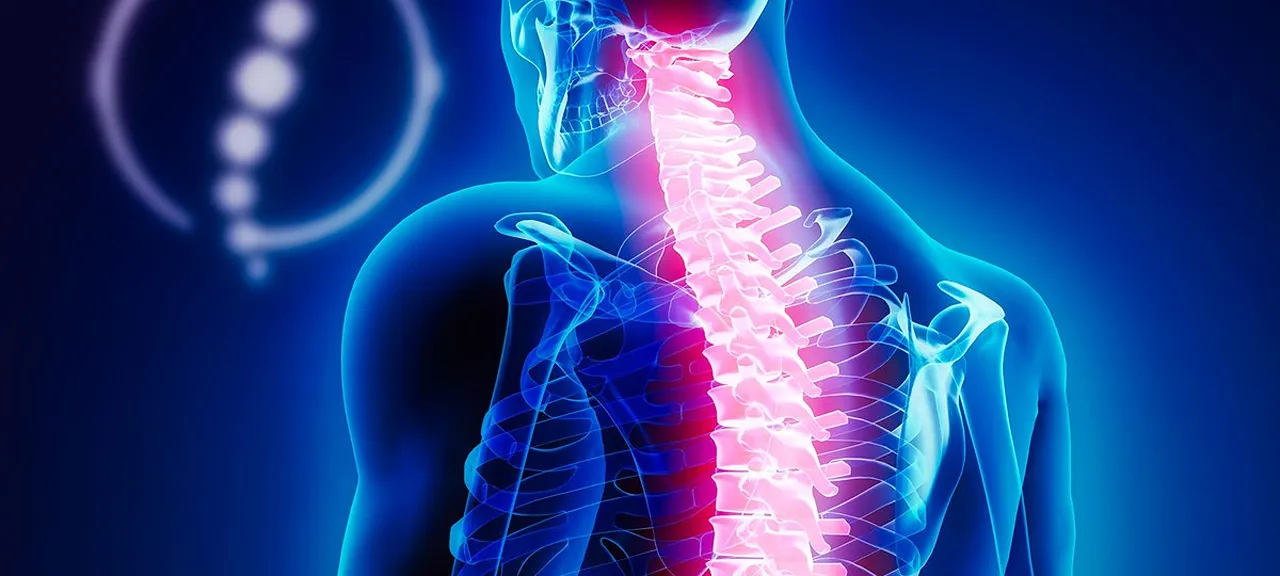
Spine Trauma (Accidents & Injuries)
Spine Trauma treatment covers emergency and follow-up care for injuries to the vertebrae, discs, and spinal cord caused by accidents, falls, or impact. Dr. Rahul Prasad provides prompt, precise neurosurgical care using advanced imaging and modern techniques to stabilise the spine, relieve pressure on the nerves, and protect long-term neurological function.
What is Spine Trauma?
Spine trauma refers to sudden injury to the spinal column or spinal cord caused by road accidents, falls, sports injuries, or a direct blow. It can range from a stable fracture or ligament injury to serious damage involving spinal cord compression, dislocation, or instability. Because the spinal cord controls movement and sensation throughout the body, spinal injuries are time-sensitive emergencies. Rapid assessment and treatment help stabilise the spine, relieve pressure on the nerves, and prevent permanent damage.
Common Symptoms
- Severe back or neck pain after injury
- Numbness or tingling in the limbs
- Weakness or paralysis in the arms or legs
- Difficulty moving after an accident
- Loss of balance or coordination
- Loss of sensation below the injury
- Loss of bladder or bowel control
- Visible deformity of the spine
Conditions Treated
- Vertebral Fractures
- Spinal Cord Injury
- Spinal Dislocation
- Fracture-Dislocations
- Traumatic Disc Injury
- Ligament & Soft-tissue Injury
- Spinal Instability from Trauma
- Injuries with Nerve Compression
Our Business Support Services
Our Business Support Services
Treatment Highlights
Our treatment combines rapid emergency assessment, advanced CT and MRI imaging, precise spinal decompression, minimally invasive and complex fixation, spinal stabilisation and reconstruction, and comprehensive post-injury rehabilitation for the best possible recovery.
Why Choose Dr. Rahul Prasad?
Dr. Rahul Prasad holds a clinical fellowship in Minimally Invasive and Complex Spine Surgery and offers expert spine trauma care with round-the-clock emergency readiness, advanced surgical technology, evidence-based treatment, personalised recovery plans, and a strong focus on patient safety and faster recovery.
Benefits
Timely spine trauma care can stabilise the spine, relieve pressure on the spinal cord and nerves, prevent further damage, preserve movement and sensation, correct deformity, support faster rehabilitation, and improve overall quality of life.
Frequently Asked Questions
Any sudden injury to the vertebrae, discs, or spinal cord from an accident, fall, sports injury, or direct blow — ranging from a stable fracture to serious spinal cord injury.
No. Stable injuries often heal with rest, bracing, and monitoring. Surgery is needed when there is instability, spinal cord compression, dislocation, or significant deformity.
As soon as possible. Prompt assessment and careful handling greatly reduce the risk of permanent spinal cord damage and improve recovery.
Recovery varies with severity. Mild injuries may heal in a few weeks, while spinal cord injuries or complex fractures can take several months and often require structured rehabilitation.
MS, MCh (Neurosurgery), Spine Fellowship (USA & South Korea)
Dr. Rahul Prasad