Degenerative Spine Disease
Degenerative Spine Disease treatment addresses the pain, stiffness, and nerve symptoms that develop as the spine wears down with age. Dr. Rahul Prasad uses accurate diagnosis and a full range of treatments — from conservative care to minimally invasive and complex spine surgery — to relieve nerve pressure, restore stability, and improve movement and quality of life.
What is Degenerative Spine Disease?
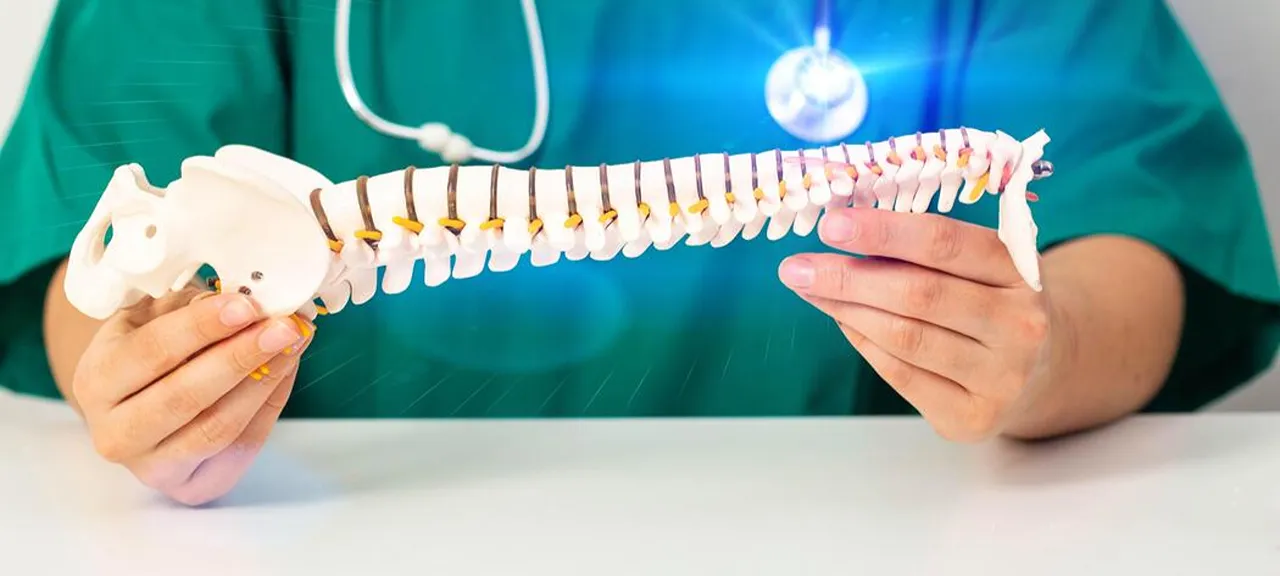
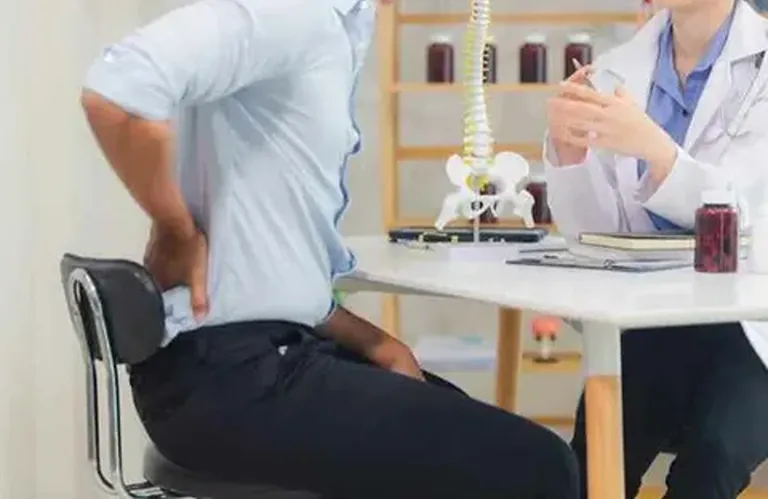
Degenerative spine disease is a gradual, age-related “wear-and-tear” process that affects the discs, joints, and bones of the spine over time. As the cushioning discs lose height and flexibility and the joints and ligaments thicken, the spine can become stiff, unstable, or narrowed, placing pressure on nearby nerves. This can cause chronic back or neck pain, along with numbness, tingling, and weakness in the limbs. It commonly affects the lower back and neck. Treatment focuses on relieving symptoms, protecting the nerves, and maintaining a stable, functional spine.
Common Symptoms
- Chronic back or neck pain
- Stiffness and reduced flexibility
- Pain radiating into the arms or legs
- Numbness or tingling in the limbs
- Weakness in the arms or legs
- Pain that worsens with activity
- Difficulty standing or walking long
- Muscle spasms
Conditions Treated
- Degenerative Disc Disease
- Cervical & Lumbar Spondylosis
- Spinal Stenosis
- Facet Joint Arthritis
- Spondylolisthesis
- Bulging or Herniated Discs
- Spinal Instability
- Bone Spurs (Osteophytes)
Our Business Support Services
Our Business Support Services
Treatment Highlights
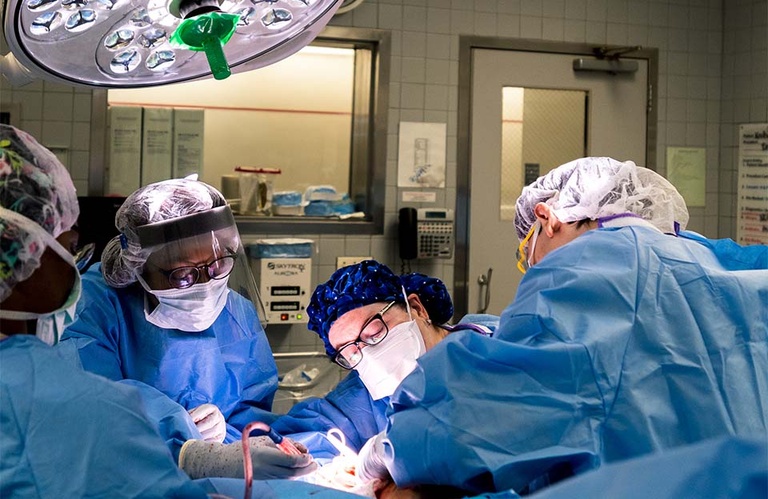
Our treatment combines advanced spinal imaging, accurate diagnosis of the degenerated segments, conservative and non-surgical care, minimally invasive and endoscopic techniques, precise decompression and stabilisation, and comprehensive rehabilitation for the best possible outcomes.
Why Choose Dr. Rahul Prasad?
Dr. Rahul Prasad offers expert care for degenerative spine disease with advanced surgical technology, evidence-based treatment, personalised care plans, and a strong focus on patient safety and faster recovery.
Benefits
Treating degenerative spine disease can relieve chronic back and neck pain, reduce numbness and weakness, restore movement and stability, prevent further nerve damage, improve daily function, and enhance overall quality of life.
Frequently Asked Questions
It is most often caused by age-related wear-and-tear, thickened ligaments, bone spurs, disc changes, or spondylolisthesis that narrow the space around the spinal cord and nerves.
Yes. With minimally invasive, endoscopic, and complex spine techniques, advanced imaging, and experienced surgical care, treatment is safe and highly precise.
No. Most cases are managed with medication, physiotherapy, exercise, and lifestyle changes. Surgery is considered only when there is nerve compression, instability, or pain that does not respond to conservative care.
Recovery depends on the treatment. Conservative care brings gradual relief, minimally invasive surgery often allows a return to routine within a few weeks, while complex procedures may take longer with rehabilitation.
MS, MCh (Neurosurgery), Spine Fellowship (USA & South Korea)
Dr. Rahul Prasad