Vascular & Endovascular Brain Surgery
Vascular & Endovascular Brain Surgery treats disorders of the blood vessels supplying the brain, from aneurysms and malformations to blocked or narrowed arteries. Dr. Rahul Prasad uses advanced imaging along with both open microsurgical and catheter-based endovascular techniques to restore healthy blood flow and prevent life-threatening bleeding.
What is Vascular & Endovascular Brain Surgery?
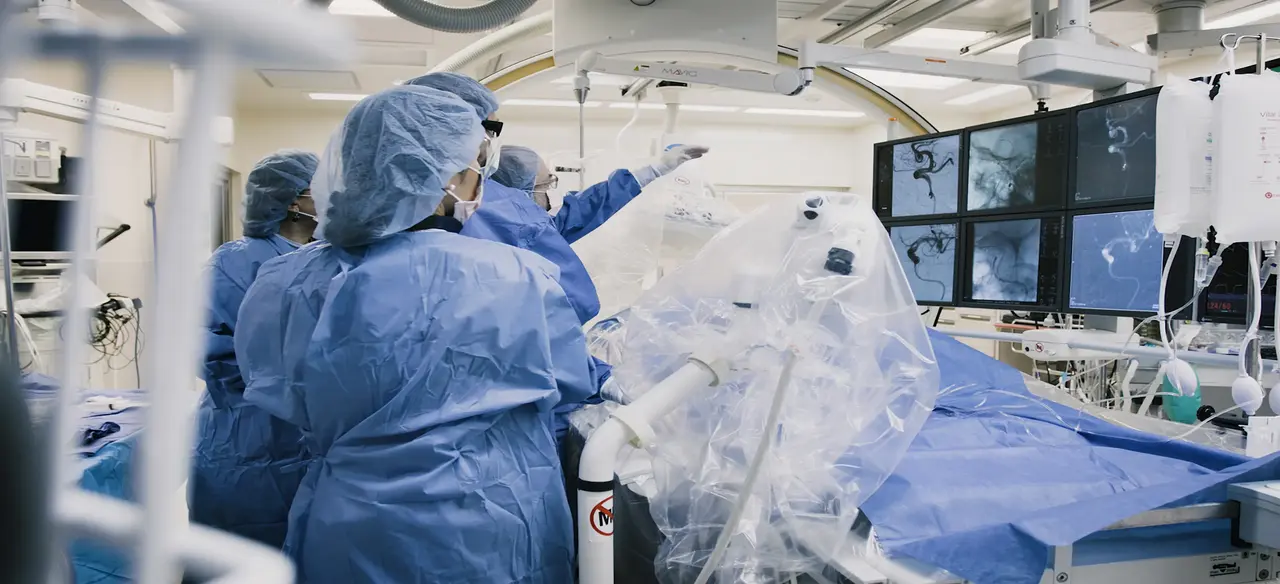
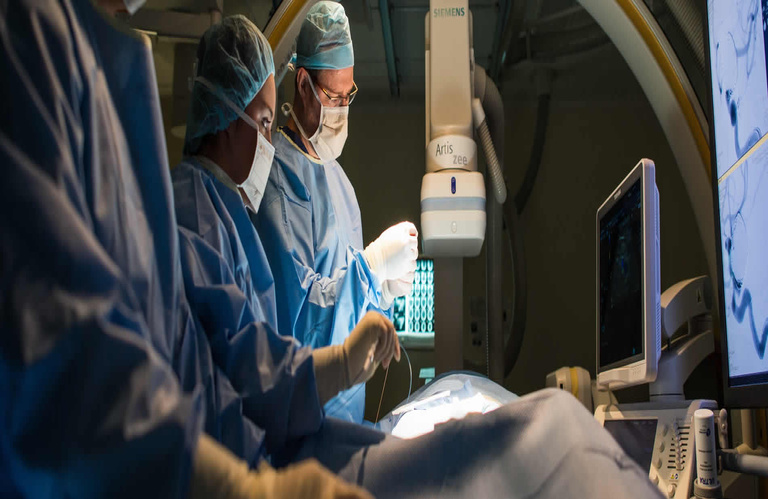
Vascular brain surgery treats abnormal or damaged blood vessels in and around the brain. Traditional (open) vascular surgery accesses the vessel directly through microsurgery, while endovascular surgery reaches the problem from inside the blood vessel using a thin catheter guided through the arteries, avoiding a large opening in the skull. The right approach depends on the location, size, and nature of the vessel problem, and both aim to prevent bleeding, restore blood flow, and protect brain function.
Common Symptoms
- Sudden severe headache
- Weakness on one side of the body
- Slurred or difficult speech
- Vision loss or double vision
- Seizures
- Facial drooping
- Loss of balance or coordination
- Nausea & vomiting

Conditions Treated
- Brain Aneurysm
- Arteriovenous Malformation (AVM)
- Ischemic Stroke
- Carotid Artery Stenosis
- Subarachnoid Hemorrhage
- Cavernous Malformation
- Dural Arteriovenous Fistula
- Intracranial Artery Narrowing
Treatment Highlights
Our treatment combines advanced cerebral angiography, precise microsurgical clipping and bypass techniques, catheter-based coiling, stenting and clot retrieval, personalised surgical planning, neuronavigation, and comprehensive post-operative care for the best possible outcomes.
Why Choose Dr. Rahul Prasad?
Dr. Rahul Prasad offers expert neurovascular care with advanced surgical technology, evidence-based treatment, personalised care plans, and a strong focus on patient safety and faster recovery.
Benefits
Vascular and endovascular brain surgery can prevent or stop dangerous bleeding, restore blood flow to the brain, reduce the risk of stroke, relieve pressure on brain tissue, protect neurological function, support faster recovery, and improve overall quality of life.
Frequently Asked Questions
Endovascular brain surgery treats blood vessel problems from inside the vessel using a thin catheter guided through the arteries, avoiding a large opening in the skull.
Open vascular surgery reaches the affected vessel directly through microsurgery, while endovascular surgery works from within the vessel. The choice depends on the location, size, and type of the problem.
Yes. With advanced angiographic imaging, modern catheter techniques, and experienced neurosurgical care, these procedures are safe and highly precise.
Endovascular procedures often allow faster recovery, sometimes within days to a few weeks, while open vascular surgery may take several weeks depending on the condition.
MS, MCh (Neurosurgery), Spine Fellowship (USA & South Korea)
Dr. Rahul Prasad