Spinal Instability
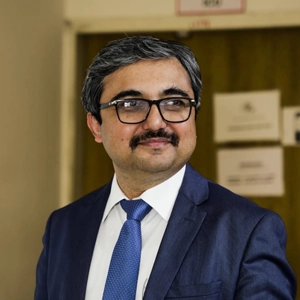
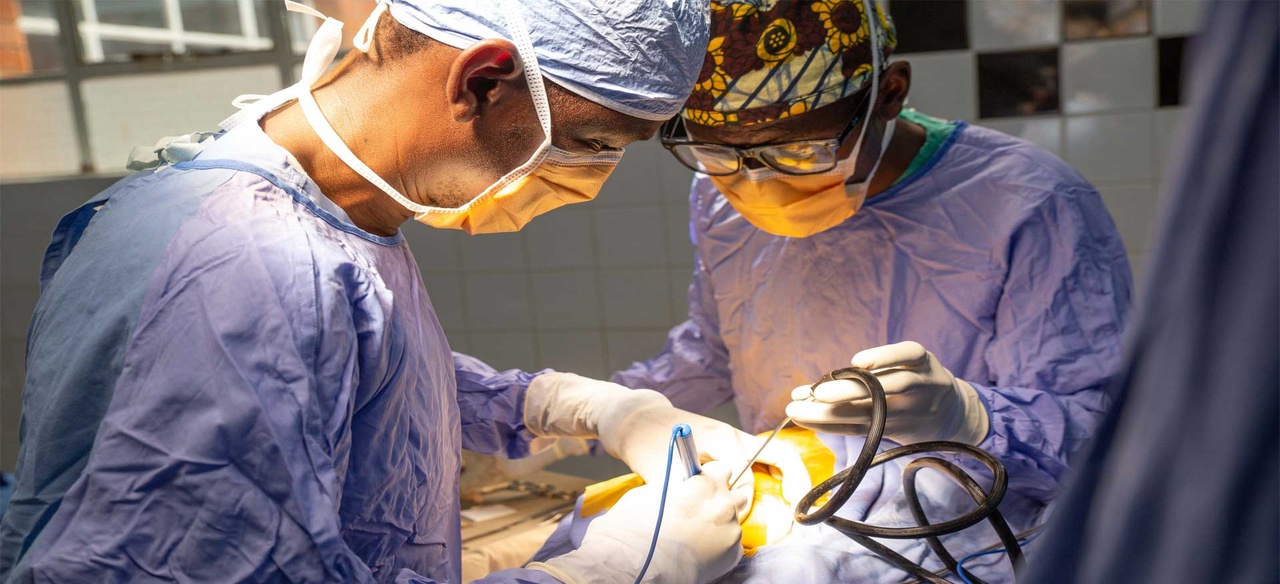
Spinal Instability treatment focuses on restoring stability and proper alignment to a spine that has become loose or unstable, relieving pain and protecting the nerves. Dr. Rahul Prasad uses advanced imaging and precise surgical techniques — from minimally invasive fixation to complex reconstruction — to stabilise the spine, ease pain, and restore safe, comfortable movement.
What is Spinal Instability?
Spinal instability occurs when the vertebrae move more than they should, because the discs, joints, or ligaments that normally hold the spine together have become weakened or damaged. This abnormal movement can cause pain, pinch nearby nerves, and, over time, lead to deformity. It may result from degeneration, injury, fractures, previous surgery, or conditions such as spondylolisthesis. Treatment focuses on stabilising the affected segment, relieving nerve pressure, and restoring proper alignment so the spine can support the body safely.
Common Symptoms
- Persistent back or neck pain
- Pain that worsens with movement or standing
- Numbness or tingling in the limbs
- A feeling of the spine "giving way"
- Weakness in the arms or legs
- Pain radiating into the arms or legs
- Stiffness or muscle spasms
- Difficulty standing or walking for long
Conditions Treated
- Spondylolisthesis
- Degenerative Spinal Instability
- Post-traumatic Instability
- Fracture-related Instability
- Post-surgical Instability
- Ligament & Joint Laxity
- Multi-level Degenerative Disease
- Deformity-related Instability
Our Business Support Services
Our Business Support Services
Treatment Highlights
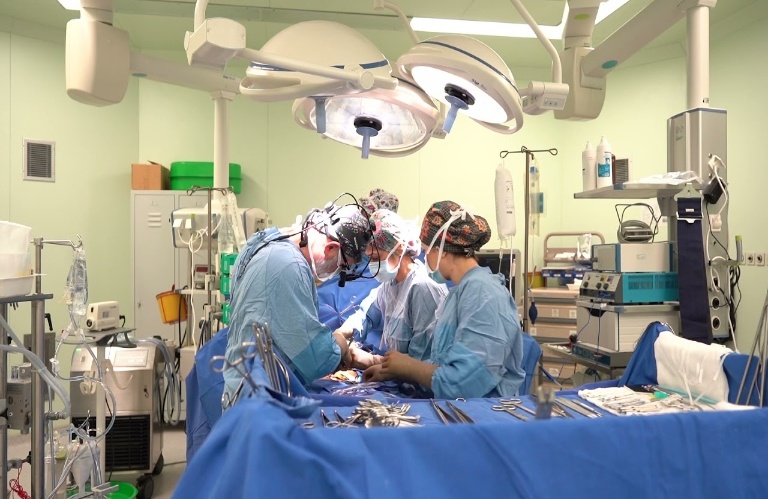
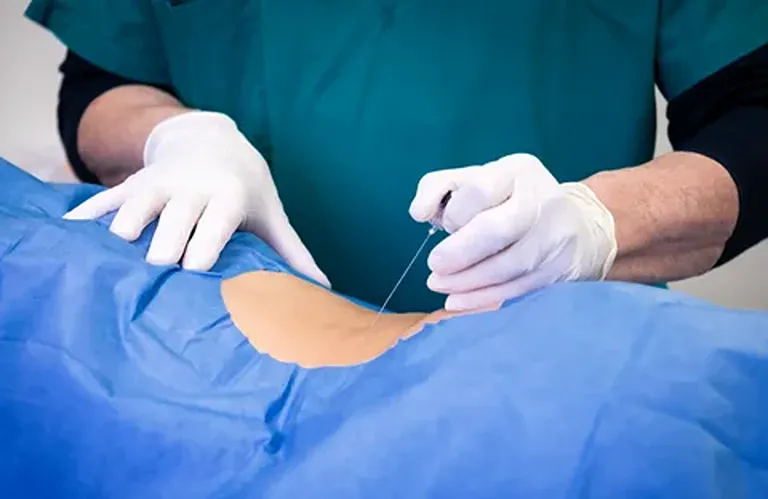
Our treatment combines advanced spinal imaging, accurate assessment of the unstable segment, minimally invasive and complex fixation techniques, spinal fusion and reconstruction, precise nerve decompression, and comprehensive rehabilitation for the best possible outcomes.
Why Choose Dr. Rahul Prasad?
Dr. Rahul Prasad holds a clinical fellowship in Minimally Invasive and Complex Spine Surgery and offers expert care for spinal instability with advanced surgical technology, evidence-based treatment, personalised care plans, and a strong focus on patient safety and faster recovery.
Benefits
Treating spinal instability can restore stability and alignment, relieve back and nerve pain, reduce numbness and weakness, protect the nerves, prevent deformity, improve movement and posture, and enhance overall quality of life.
Frequently Asked Questions
It is caused by weakening or damage to the discs, joints, or ligaments of the spine, often due to degeneration, injury, fractures, spondylolisthesis, or previous surgery.
Mild cases may be managed with physiotherapy and bracing, while significant instability is treated with spinal fusion and fixation to stabilise the affected segment.
Yes. With advanced imaging, neuronavigation, and minimally invasive or complex fixation techniques, spinal stabilisation is safe and highly precise.
Recovery varies with the extent of surgery. Minimally invasive fixation often allows a quicker return to routine, while complex reconstruction may take several weeks to months with rehabilitation.
MS, MCh (Neurosurgery), Spine Fellowship (USA & South Korea)
Dr. Rahul Prasad