Stroke-related Neurosurgical Procedures
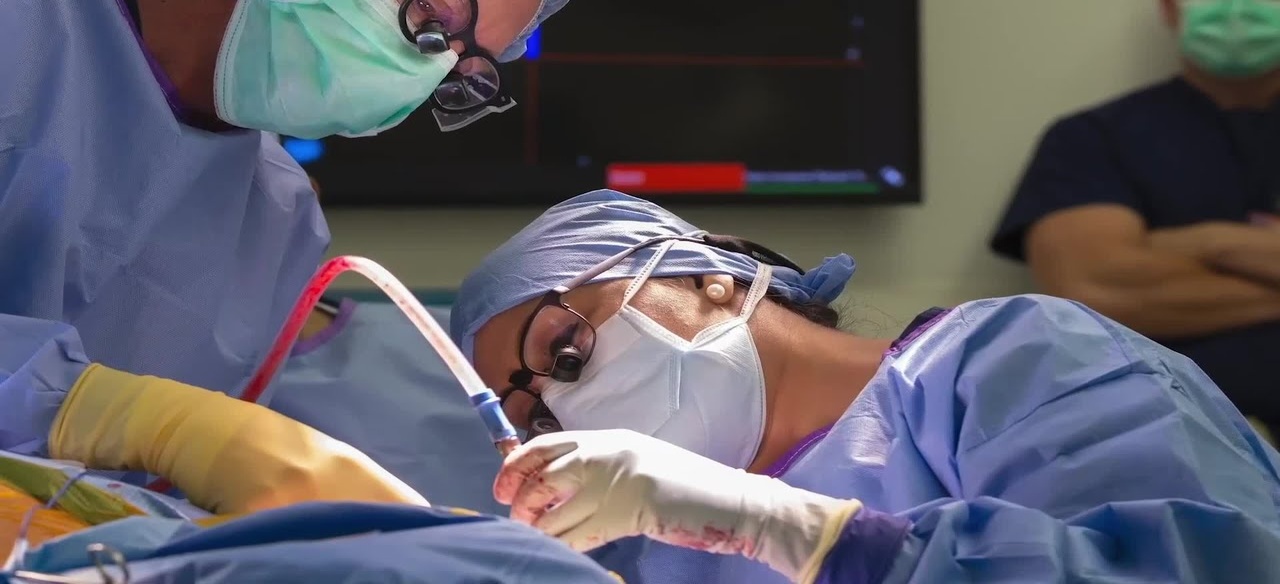
Stroke-related Neurosurgical Procedures are performed to treat and prevent damage caused by strokes affecting the brain. Dr. Rahul Prasad uses advanced imaging and precise surgical techniques to restore blood flow, control bleeding, and reduce pressure on the brain, helping patients recover neurological function and quality of life.
What are Stroke-related Neurosurgical Procedures?
A stroke occurs when blood flow to part of the brain is interrupted, either by a blocked vessel (ischemic stroke) or a burst vessel (hemorrhagic stroke). Stroke-related neurosurgery involves procedures to remove blood clots, repair damaged blood vessels, drain bleeding, and relieve pressure on the brain. Timely surgical treatment helps limit brain damage and improve recovery.
Common Symptoms
- Sudden weakness on one side
- Facial drooping
- Slurred or difficult speech
- Sudden severe headache
- Vision loss or blurring
- Loss of balance or coordination
- Confusion
- Numbness in the arm, leg, or face
Conditions Treated
- Ischemic Stroke
- Hemorrhagic Stroke
- Intracerebral Hemorrhage
- Subarachnoid Hemorrhage
- Carotid Artery Disease
- Cerebral Aneurysm
- Arteriovenous Malformation (AVM)
- Brain Swelling (Cerebral Edema)
Treatment Highlights
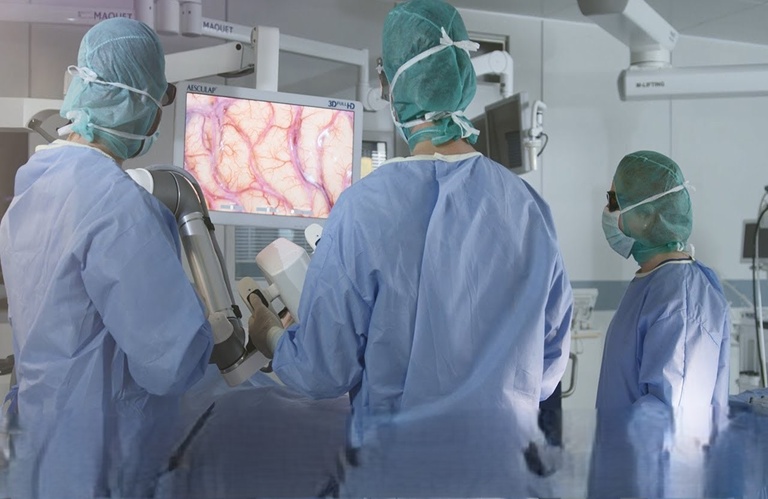
Our treatment combines rapid stroke assessment, advanced brain imaging, clot removal and vessel repair techniques, intracranial pressure management, and comprehensive post-stroke rehabilitation for the best possible outcomes.
Why Choose Dr. Rahul Prasad?
Dr. Rahul Prasad offers expert stroke neurosurgical care with round-the-clock emergency readiness, advanced surgical technology, evidence-based treatment, personalized recovery plans, and a strong focus on patient safety and faster recovery.
Benefits
Stroke-related neurosurgical procedures can restore blood flow, control bleeding, relieve pressure on the brain, prevent recurrent strokes, support neurological recovery, and improve overall quality of life.
Frequently Asked Questions
A stroke occurs when blood flow to part of the brain is blocked or a blood vessel bursts, cutting off oxygen to brain tissue and causing damage.
Surgery may be needed to remove a clot, drain bleeding, repair a damaged vessel, or relieve pressure when a stroke causes significant swelling or hemorrhage.
A stroke is a medical emergency and should be treated immediately. Faster treatment greatly reduces brain damage and improves the chances of recovery.
Recovery varies with the type and severity of the stroke. Some patients recover in weeks, while others need several months of rehabilitation to regain function.
MS, MCh (Neurosurgery), Spine Fellowship (USA & South Korea)
Dr. Rahul Prasad