Brain & Spine Tumor
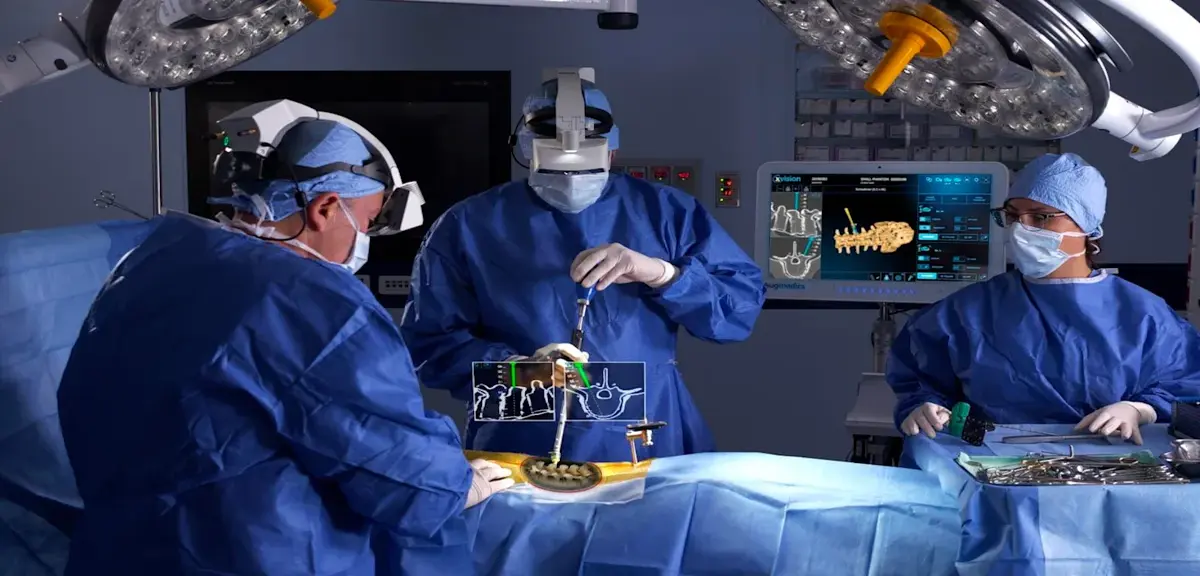
Brain & Spine Tumor treatment focuses on removing or reducing tumors affecting the brain, spinal cord, and surrounding structures while preserving healthy tissue and neurological function. Dr. Rahul Prasad uses advanced microsurgical techniques, precise imaging, and modern technology to provide safe, accurate treatment with the goal of improving symptoms and quality of life.
What is Brain & Spine Tumor Surgery?
Brain and spine tumors are abnormal growths that develop within or near the brain, spinal cord, or vertebral column. They may be benign (non-cancerous) or malignant (cancerous) and can press on delicate nerves and tissue, causing a range of symptoms. Surgery is performed to remove or reduce the tumor, relieve pressure, restore function, and obtain tissue for accurate diagnosis. The approach depends on the tumor’s size, type, and location.
Common Symptoms
- Persistent headaches
- Seizures
- Back or neck pain
- Weakness or numbness in the limbs
- Difficulty walking or balance problems
- Vision or hearing changes
- Loss of bladder or bowel control
- Nausea & vomiting
Conditions Treated
- Benign Brain Tumors
- Malignant Brain Tumors
- Glioma
- Meningioma
- Subarachnoid Hemorrhage
- Cavernous Malformation
- Dural Arteriovenous Fistula
- Intracranial Artery Narrowing
Treatment Highlights
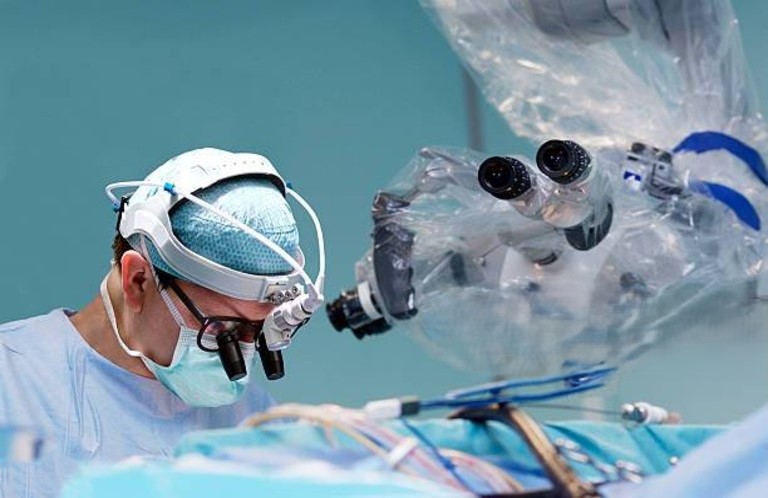
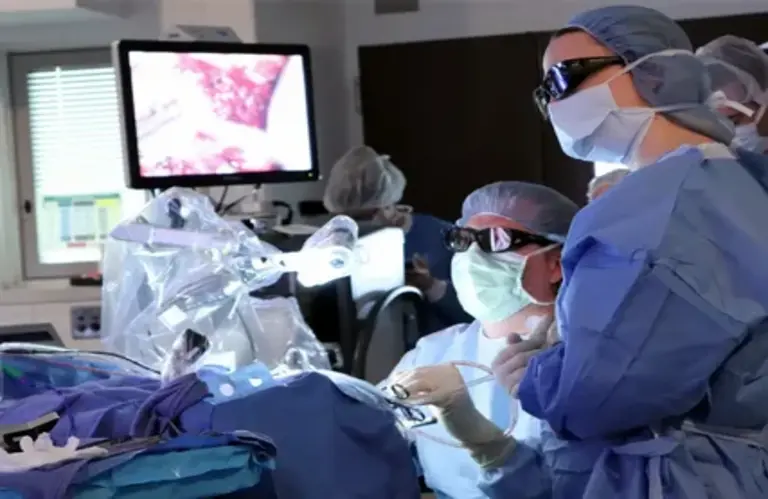
Our treatment combines advanced brain and spine imaging, precise microsurgical techniques, personalised surgical planning, neuronavigation, minimally invasive approaches where suitable, and comprehensive post-operative care for the best possible outcomes.
Why Choose Dr. Rahul Prasad?
Dr. Rahul Prasad offers expert neurosurgical care with advanced surgical technology, evidence-based treatment, personalised care plans, and a strong focus on patient safety and faster recovery.
Benefits
Brain and spine tumor surgery can relieve pressure on the brain and spinal cord, reduce symptoms, improve neurological function, provide an accurate diagnosis, enhance the effectiveness of further treatment, and improve overall quality of life.
Frequently Asked Questions
A benign tumor is non-cancerous and usually grows slowly, while a malignant tumor is cancerous and can grow and spread more aggressively. Both may need treatment if they press on the brain or spinal cord.
Yes. With advanced imaging, neuronavigation, and microsurgical techniques, many spine tumors can be removed safely while protecting the spinal cord and nerves.
Yes. With modern microsurgical techniques, advanced imaging, and experienced neurosurgical care, tumor surgery is safer and more precise than ever.
Recovery varies with the tumor's size, type, and location. Many patients recover over four to eight weeks, while more complex cases may require additional time and rehabilitation.
MS, MCh (Neurosurgery), Spine Fellowship (USA & South Korea)
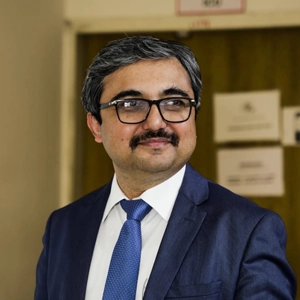
Dr. Rahul Prasad