
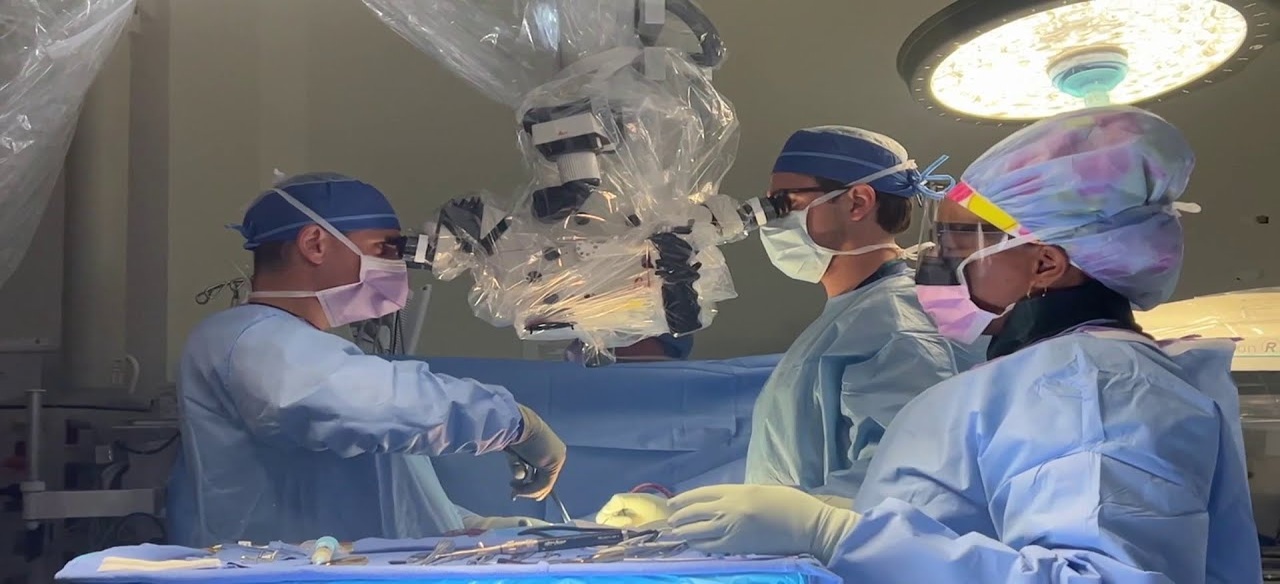
Brain Trauma (Head Injury)
Brain Trauma treatment focuses on managing and repairing injuries to the brain caused by accidents, falls, or impact. Dr. Rahul Prasad provides prompt, precise neurosurgical care using advanced imaging and modern surgical techniques to control bleeding, reduce pressure on the brain, and protect long-term neurological function.
What is Brain Trauma (Head Injury)?
Brain trauma, also known as traumatic brain injury (TBI), occurs when a sudden blow, jolt, or penetrating injury damages the brain. Depending on the severity, it can range from a mild concussion to serious bleeding or swelling that requires emergency surgery. Timely treatment helps relieve pressure, control bleeding, and prevent further damage to healthy brain tissue.
Common Symptoms
- Severe or worsening headache
- Loss of consciousness
- Confusion or disorientation
- Nausea & vomiting
- Seizures
- Slurred speech
- Weakness or numbness
- Unequal pupil size
Conditions Treated
- Concussion
- Skull Fractures
- Epidural Hematoma
- Subdural Hematoma
- Intracerebral Hemorrhage
- Diffuse Axonal Injury
- Cerebral Contusion
- Penetrating Head Injuries
Treatment Highlights
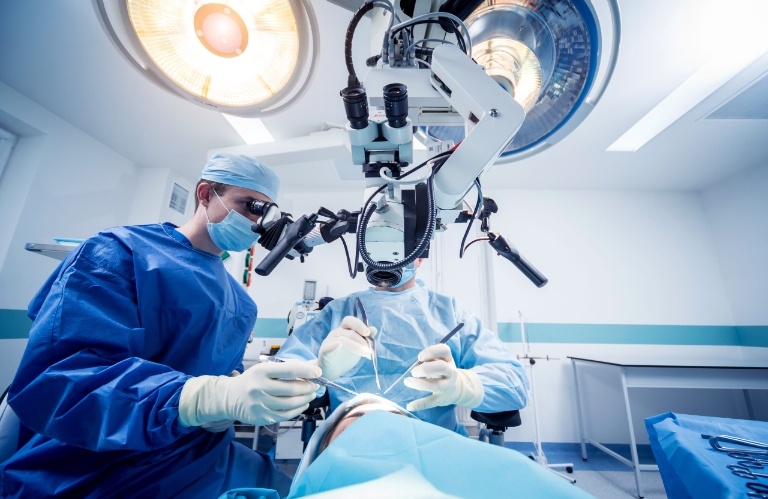
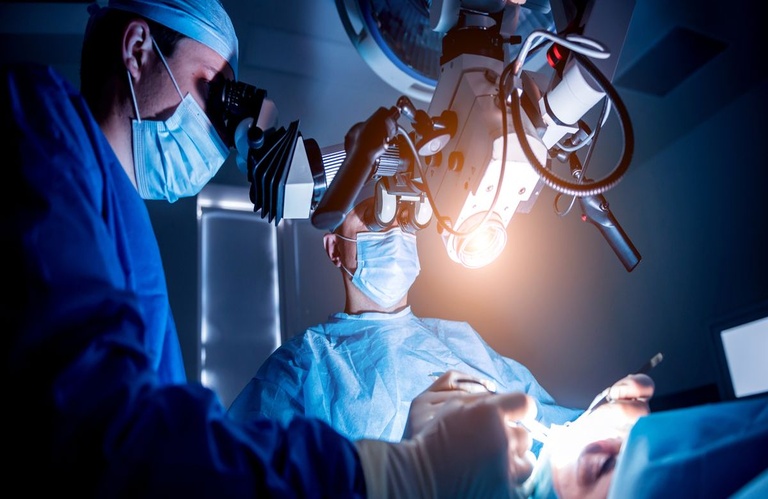
Our treatment combines rapid emergency assessment, advanced CT and MRI imaging, precise microsurgical intervention, intracranial pressure management, and comprehensive post-injury rehabilitation for the best possible recovery.
Why Choose Dr. Rahul Prasad?
Dr. Rahul Prasad offers expert neurosurgical care with advanced surgical technology, evidence-based treatment, personalized care plans, and a strong focus on patient safety and faster recovery.
Benefits
Brain trauma treatment can control bleeding, relieve pressure on the brain, prevent secondary damage, restore neurological function, support faster recovery, and improve overall quality of life.
Frequently Asked Questions
A traumatic brain injury is damage to the brain caused by a sudden impact, jolt, or penetrating injury, ranging from a mild concussion to severe bleeding or swelling.
No. Many mild injuries heal with rest and monitoring. Surgery is needed only when there is significant bleeding, swelling, or pressure on the brain that must be relieved.
Head injuries should be evaluated as soon as possible. Prompt assessment and treatment greatly reduce the risk of complications and long-term damage.
Recovery varies with severity. Mild injuries may heal in a few weeks, while severe injuries can take several months and may require rehabilitation.
MS, MCh (Neurosurgery), Spine Fellowship (USA & South Korea)
Dr. Rahul Prasad